Why review velocity matters more than review count for local trades
Two electricians in the same town. One has 212 Google reviews, the most recent from eighteen months ago. The other has 46, with three or four arriving every month. Ask which appears first for "electrician near me" and most people guess wrong. This explainer covers why, and what a trade can do about it.
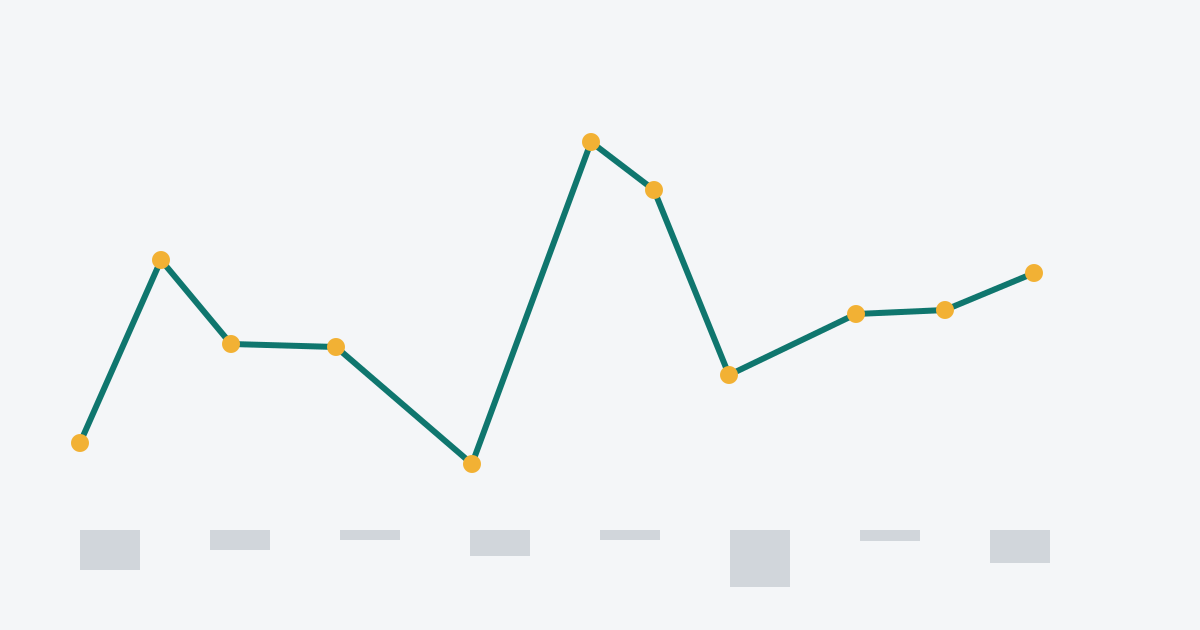
Count is a snapshot, velocity is a signal
A review total tells Google that a business has existed and traded. It says nothing about whether it is still trading, still good, or still the same people. A steady flow of recent reviews answers all three.
Google has said for years that review quantity, quality and recency all feed into local ranking, and the lived experience of local search watchers is that recency carries more weight than most trades assume. A business that stopped collecting reviews looks, to an algorithm, like a business that may have stopped.
Homeowners read it the same way. Open a profile, scroll to the reviews, and the first thing the eye catches is the date. "A year ago" is a small doubt. "Three years ago" is a reason to go back to the list.
Three things that make up velocity
Bursts deserve a particular warning. Google has been observed pausing new reviews on profiles after a spike it judges suspicious. A trade that collects reviews in a frenzy before a quiet winter and then goes silent is producing exactly the pattern that looks wrong, as covered in our piece on Google's Business Profile changes for tradespeople.
- Recency: how long since the last review. The clock resets with every new one.
- Steadiness: whether reviews arrive in a trickle or in bursts. Twelve in one week and then silence looks like a campaign, or worse.
- Spread: whether the reviews come from different kinds of job and different parts of your area. Ten reviews for boiler services in one postcode say less than ten across repairs, installs and three towns.
What the words in a review do
Beyond timing, Google reads the content. A review that says "great job, thanks" confirms you exist. A review that says "replaced the consumer unit in our 1930s semi in Yarm, tidy work, explained the certificate" tells Google what you do, where, and for whom.
You cannot write customers' reviews for them, and under the rules covered in asking for reviews the legal way you should not steer the sentiment. You can, legitimately, prompt the subject. "If you have a minute, it helps other people if you mention what we did and roughly where you are" is a request for detail, not for praise.
The arithmetic of staying current
Here is a worked example, with invented figures, to show the scale involved. A one-van plumber does around fifteen jobs a week. If one customer in ten leaves a review when asked, that is six reviews a month, or roughly seventy a year. A profile at seventy reviews a year is current every week of the year.
Now suppose the same plumber only asks when he remembers, which is one job in five. Three a month. Still current. The profile only goes stale when asking stops altogether, which is what happens in most firms: a good run in the first year, then nothing. Velocity is not about effort. It is about the ask being part of the job, like the invoice.
Making the ask automatic
The trades that sustain velocity have taken the decision out of the moment. The review request goes out with the invoice, or the day after completion, by text with a direct link to the Google review form. Some use a card left on the worktop with a QR code. Some have the request built into their invoicing or job management software.
Timing matters. The day of completion, while the homeowner is still pleased with the clean worktop, converts far better than a week later. And a short, personal message beats a template: "Hi Sarah, it was the bathroom in Eaglescliffe, if you were happy a quick Google review would really help" is thirty seconds of typing.
If you use WhatsApp for job communication, the request can go into the same thread, a point covered in our guide to WhatsApp Business for trades.
Reactivating past customers
A trade that has been going five years without asking has a list of hundreds of satisfied customers who were never invited to review. Working through that list, a few messages a week, is the quickest way to rebuild velocity without faking anything. The reviews are genuine; they are just late.
Two cautions. Do not send them all at once, for the burst reason above. And do not pick and choose only the customers you remember fondly, because that is the cherry-picking the Competition and Markets Authority's guidance warns against. Work through the list in order.
What velocity cannot do
Reviews are one input among many. Proximity to the searcher, the categories set on the profile, the completeness of the listing and the website behind it all count, and a plumber ten miles away will not out-rank one in the searcher's street on reviews alone. Service area pages and the debate around them are covered in service area pages: useful local SEO or doorway spam.
But of all the inputs, velocity is the one most directly in a trade's control, costs nothing, and gets better the longer it runs. The 212-review electrician can catch up. He just has to start asking again.
Frequently asked questions
How many Google reviews a month does a trade need?
There is no fixed number. A steady two to four a month keeps a profile current and avoids the bursts that look suspicious.
Do old reviews stop counting?
They still count towards the total and the rating, but a profile with no recent reviews reads as inactive to both Google and homeowners.
Is it against the rules to ask customers for detail in a review?
No. Asking a customer to mention the work done and the area is a request for detail, not for a particular rating, and is allowed under CMA guidance.
Can I ask past customers from years ago for a review?
Yes, provided you ask across the list rather than only those you expect to be positive, and spread the requests over time.