Cold snaps, boiler demand and the marketing scramble
Every autumn the pattern repeats. Temperatures drop, thousands of boilers that sat idle all summer are asked to work, a proportion of them refuse, and heating engineers across the country spend a week on the phone saying no. Behind the scenes, search demand spikes, ad prices climb and the marketing that was set up in September either pays off or does not.
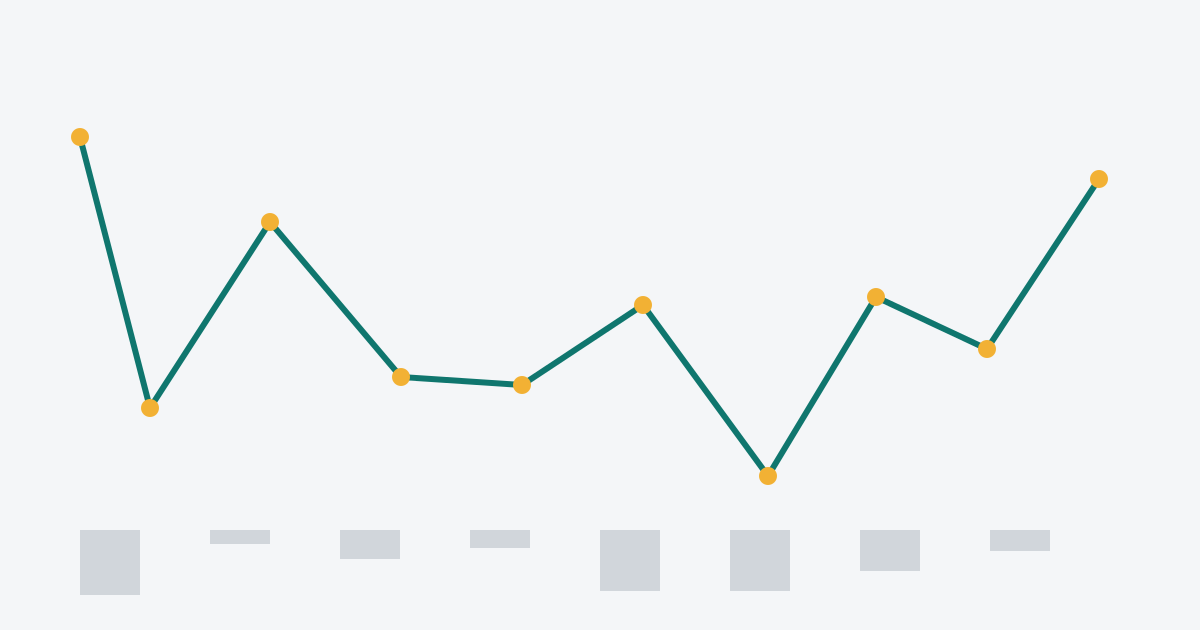
What happens to search when the temperature falls
The link between weather and boiler searches is as direct as any in local search. Searches for "boiler repair", "emergency plumber", "no heating" and "boiler not firing" rise within hours of a cold night, and peak over the following two or three days as the problems that were ignored on the first morning become unavoidable.
The spike is sharpest after the first cold spell of the season, when a summer's worth of latent faults surface at once. Later cold snaps produce smaller peaks because the weakest boilers have already failed. For a heating engineer the first frost is the Christmas trading period.
Bills are adding pressure this year
Ofgem raised the energy price cap by four per cent from 1 October 2026, taking a typical dual-fuel household's annual bill to £1,723 from £1,663, with gas prices up eight per cent and the main driver. Higher gas costs make an inefficient boiler a visible monthly expense rather than an abstract concern.
That shows up in search as a second kind of demand alongside the breakdowns: homeowners asking whether a new boiler would pay for itself, how efficient their current one is, and whether a heat pump is realistic. The firms that answer those questions on their own websites, in plain terms, are the ones appearing in the AI-generated summaries that now sit above many such searches, as described in what AI Overviews now show for local trade searches.
The ad auction gets expensive, fast
Paid search works by auction, so when every heating firm in a town wants the same breakdown search at the same time, the price per click rises sharply for the duration of the snap. Firms that switch ads on the morning it gets cold are entering the auction at its dearest moment, with campaigns that have no history and landing pages built in a hurry.
The firms that do well in paid search during a cold snap tend to have had the campaigns running at a low level since September, with the budget raised rather than the campaign created when demand arrives. They also tend to have been honest about capacity: an ad promising same-day callouts from a firm already booked solid for a week produces angry calls and wasted spend. Google's pay-per-lead format has its own dynamics, covered in Local Services Ads in the UK: what tradespeople need to know.
The phone problem, multiplied
A sole trader who normally misses a third of calls will, during a cold snap, miss most of them. Every missed call is a homeowner with no heating who rings the next number within a minute. The economics are worked through in our hypothetical in the real cost of a missed call for a one-van trade, and a cold snap is the week in which that cost is at its highest.
The engineers who cope have usually done one of three things beforehand: set up an automatic text to missed callers with an honest message about when they can attend, arranged with another local engineer to pass on overflow, or taken on an answering service for the winter months. None of these can be set up on the morning of the frost.
Triage as marketing
There is a less obvious point. How a heating firm handles the week it cannot help everyone shapes its reviews for the following year. A text saying "we are fully booked until Thursday, here are two things to try and here is another registered engineer who may be free" costs nothing and produces goodwill from a customer who never paid a penny. Some of those people book a service in the summer. Some leave a review anyway.
The alternative, silence, produces the one-star review that starts "never even rang back". The review rules that apply when asking for feedback after the chaos are set out in asking for reviews the legal way.
What the organised firms did in September
- Ran a boiler service campaign to last year's customers, which pulled some breakdowns forward into planned work.
- Had breakdown and replacement ad campaigns live at low budgets, ready to scale rather than launch.
- Published a plain-English page on what to check before calling (pressure, pilot, thermostat, condensate pipe), which both ranks and reduces unnecessary callouts.
- Set up missed-call texts with realistic wait times and an overflow arrangement.
- Made sure the Business Profile showed correct hours and an emergency number, following the changes Google made this autumn, covered in what Google's Business Profile changes mean for tradespeople.
The longer view
Cold snaps are the heating trade's clearest demonstration that marketing is mostly done before the demand exists. The spike is predictable in everything but its date. The firms that treat it as an annual event to be prepared for, rather than a surprise to be scrambled for, pay less for their leads, answer more of their calls and come out of the week with their reputation intact. The 12-month trades marketing calendar places the preparation where it belongs: in the quiet months.
Frequently asked questions
When do boiler repair searches peak in the UK?
Within two or three days of the first sustained cold spell of the autumn or winter, with smaller peaks after later cold snaps.
Why do Google Ads costs rise during a cold snap?
Ad placements are sold by auction. When every heating firm in an area bids on the same breakdown searches at once, the price per click rises for the duration.
What can a heating engineer do when fully booked during a cold snap?
Reply to every caller with an honest wait time, offer simple checks to try, and pass overflow to another registered engineer. That protects reviews and brings summer service work.